Practice That Talks Back
Your agents don't use training tools. They say they will, but they don't. Here's the difference between tools that collect dust and ones agents open on their own.
3 min read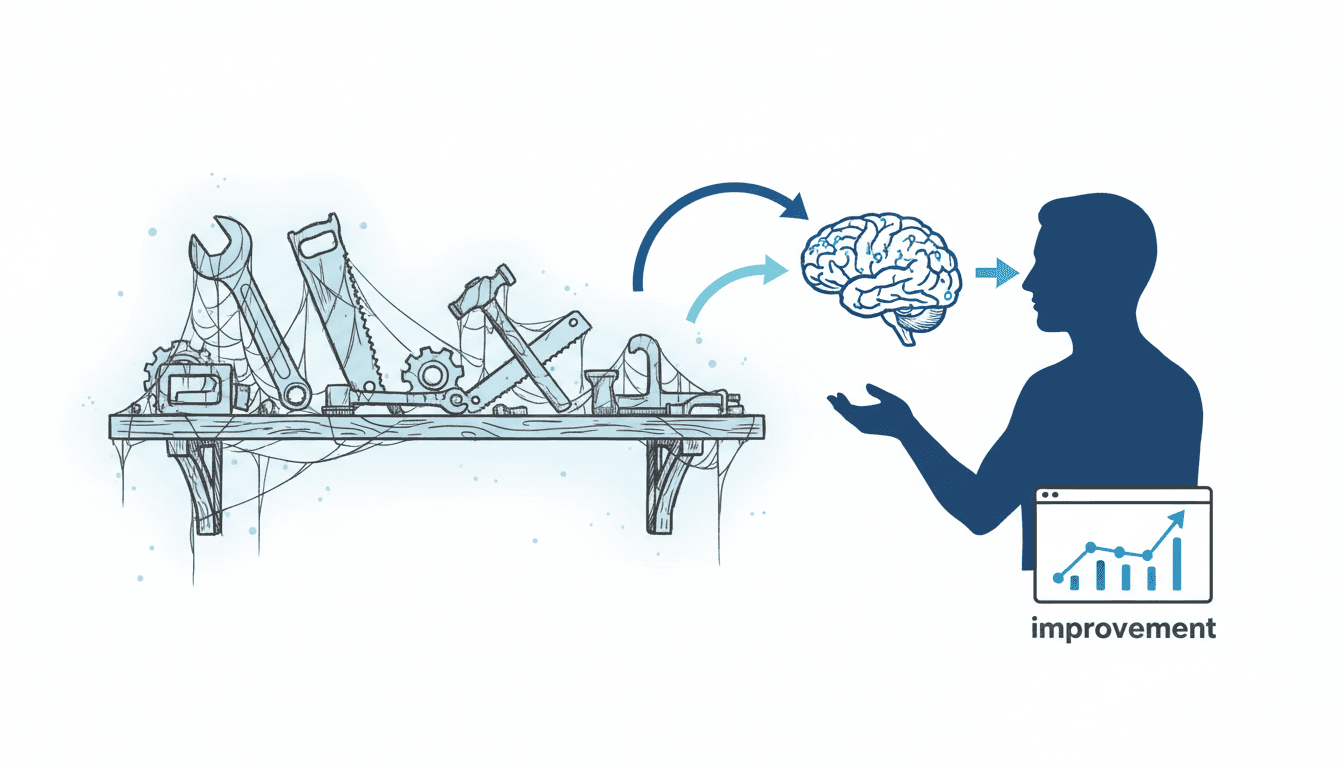
Your agents don't use training tools. They say they will, but they don't. You find a new platform, get excited, sign up, maybe even run a team meeting about it. Two weeks later, nobody's logging in. Three months later, you're canceling another subscription you never should have bought. Last year alone you probably canceled two subscriptions nobody touched.
So what separates the tools that collect dust from the ones that stick?
The ones that collect dust score without teaching. The ones that stick show agents exactly what they did wrong and how to fix it.
Your agents didn't stop logging in because they're lazy. They stopped because "Good job, 7/10" gives them nothing to work with. There's no reason to come back for more of that.
The Graveyard of Training Tools
A P&C agency owner in Texas, let's call him David, had a graveyard of training tools. Two video course subscriptions canceled. A coaching app his team used for exactly one week. When he tried BetterPitch-ai, he almost didn't tell his agents. He figured he'd test it himself first and cancel quietly when nobody used it.
The first week, three agents tried it on their own. Not because David made them. Because the feedback got under their skin. One agent practiced a price objection and got back: "You quoted $180/month before the prospect understood why they needed coverage. When she mentioned her daughter's wedding next year, you missed the chance to connect that to her coverage gap."
That stings. And that sting made her want to try again. She ran the same scenario four more times that weekend. Nobody asked her to.
What the Dashboard Showed
By week three, David checked his dashboard on Monday morning. Sarah had practiced the price objection 6 times over the weekend, and her success rate went from 30% to 65%. Mike hadn't practiced in 9 days, and his close rate on competitive quotes had dropped. His newest agent, three weeks in, was already handling the spouse objection better than two-year veterans.
David didn't set up a single role-play session. He didn't block out his afternoon. He didn't beg anyone to participate. The agents practiced on their own. Mornings before calls. Evenings after dinner. The feedback was specific enough to be uncomfortable and useful enough to be worth coming back for.
And there's another reason it stuck. Nobody was watching them fail. They could practice privately, mess up, get corrected, and try again without a manager or teammate judging them.
The Difference
The old tools collected dust because they talked at his agents. This one talked back.
Related Posts
Do You Know Why Your Middle Performers Are Stuck?
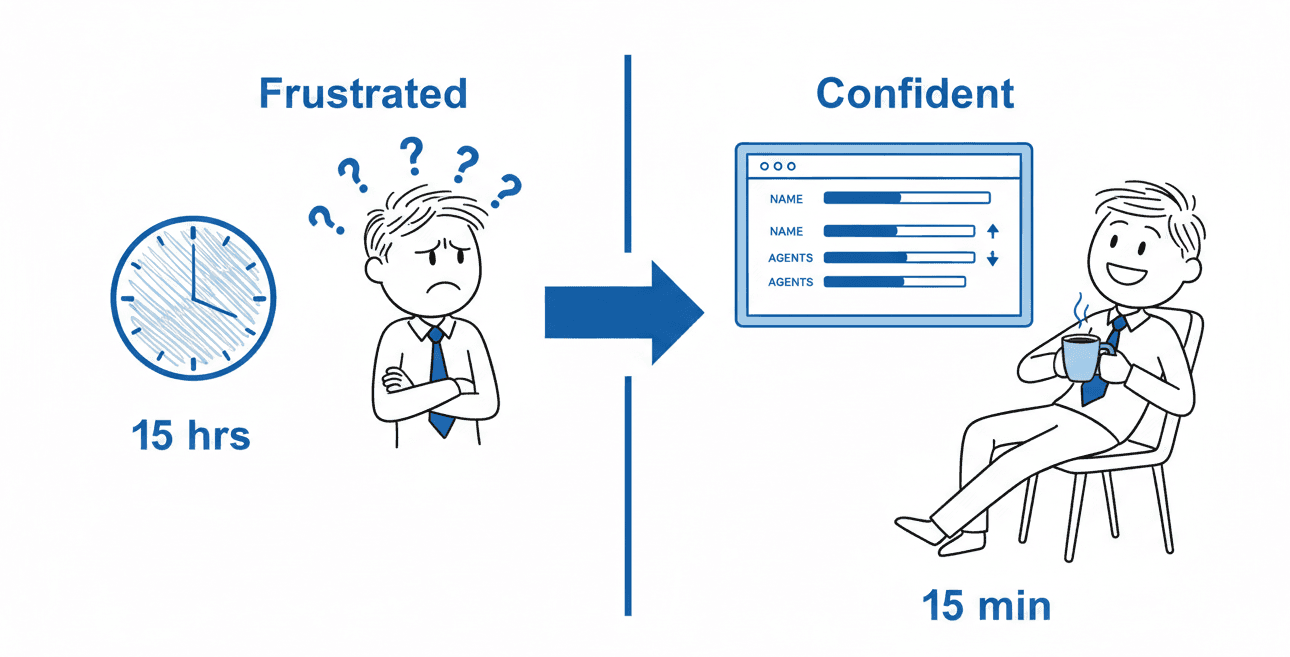
The Leader Dashboard uses data so every coaching conversation counts.
3 min read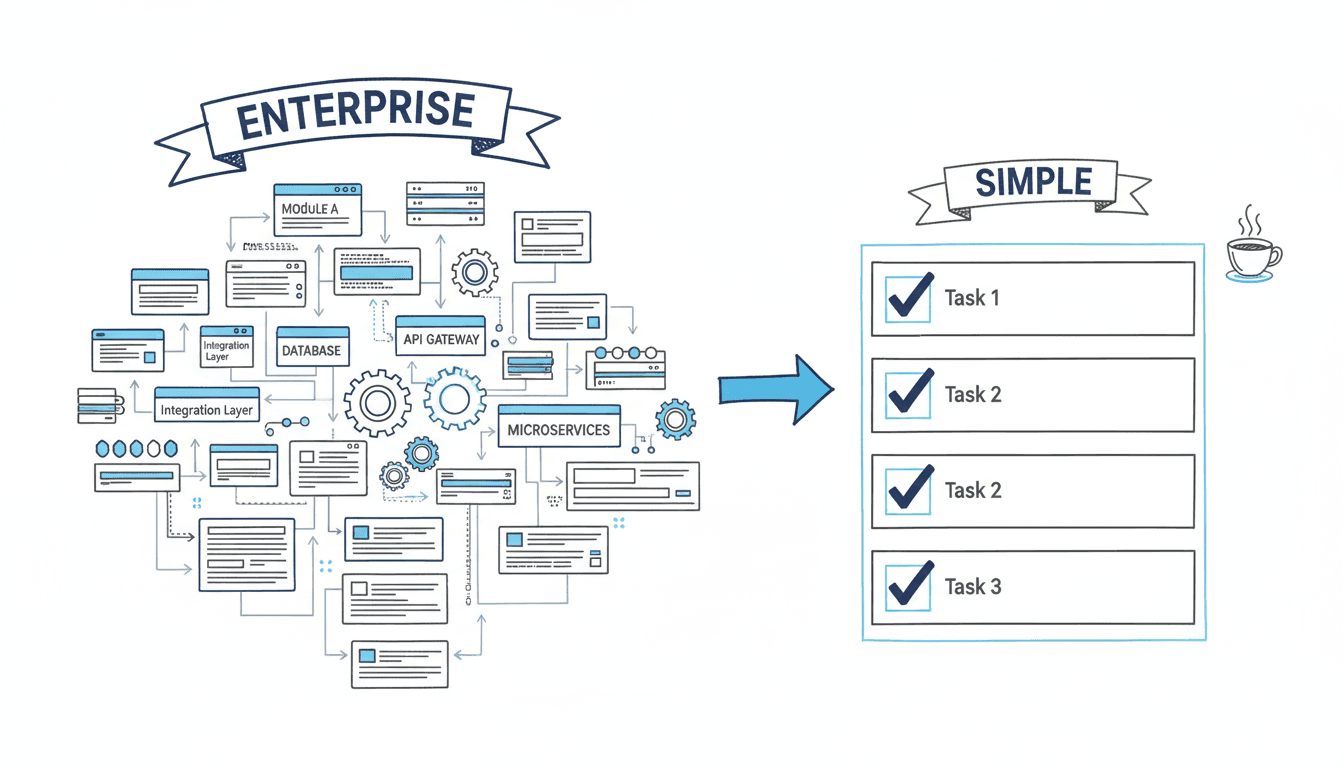
You Don't Need Enterprise Software. You Need Your Agents Handling Objections Better by Next Week.
Training platforms are built for big companies. Your 5-agent agency needs something different. Here's what 'built for small agencies' actually means.
3 min read
You're the Best Coach Your Agents Have. That's the Problem.
No tool can replace your coaching. But your agents need more practice than you can give them. Here's how to make your coaching hours count ten times more.
3 min read